Step 1 of 4
Care delivered
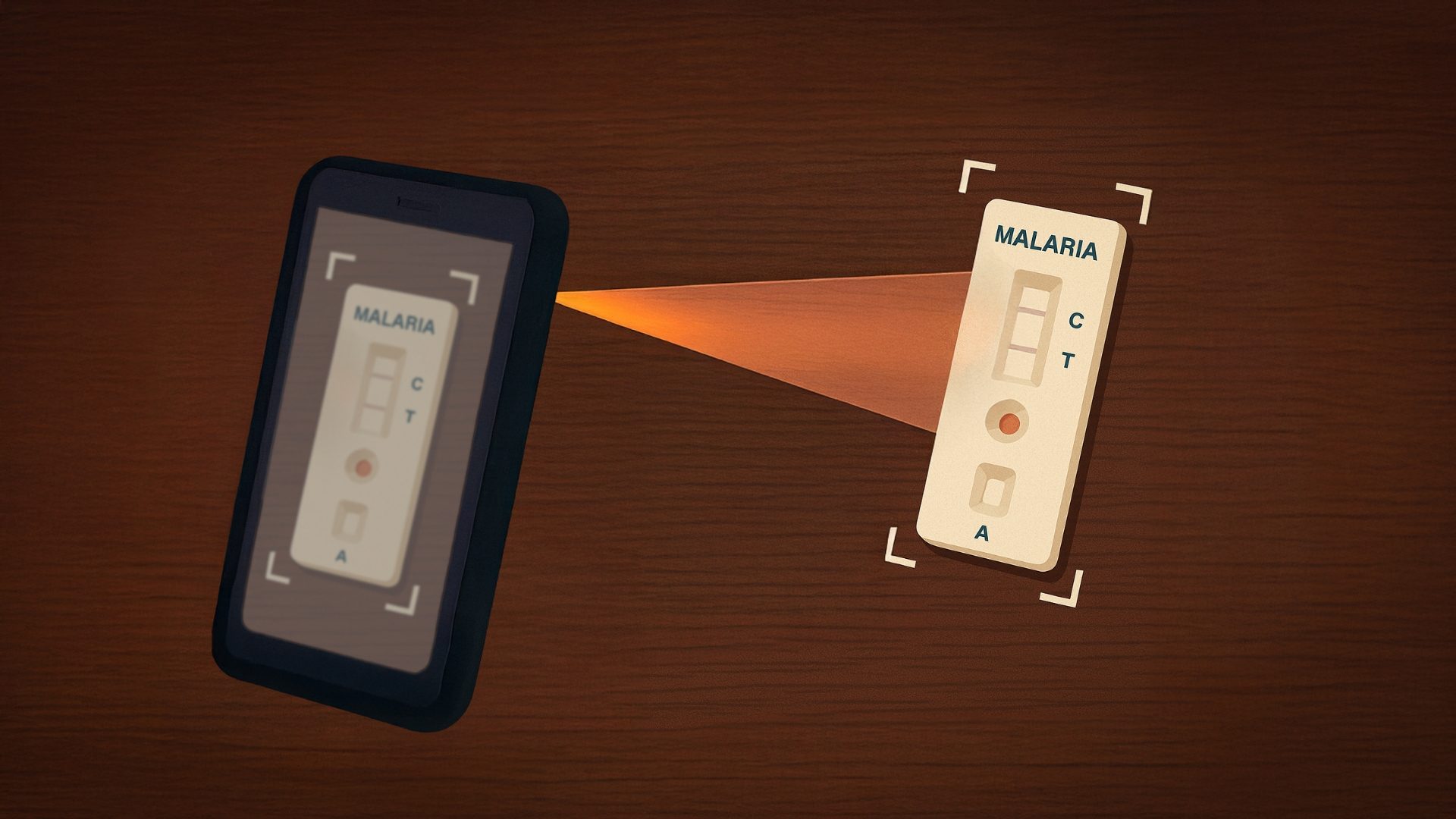
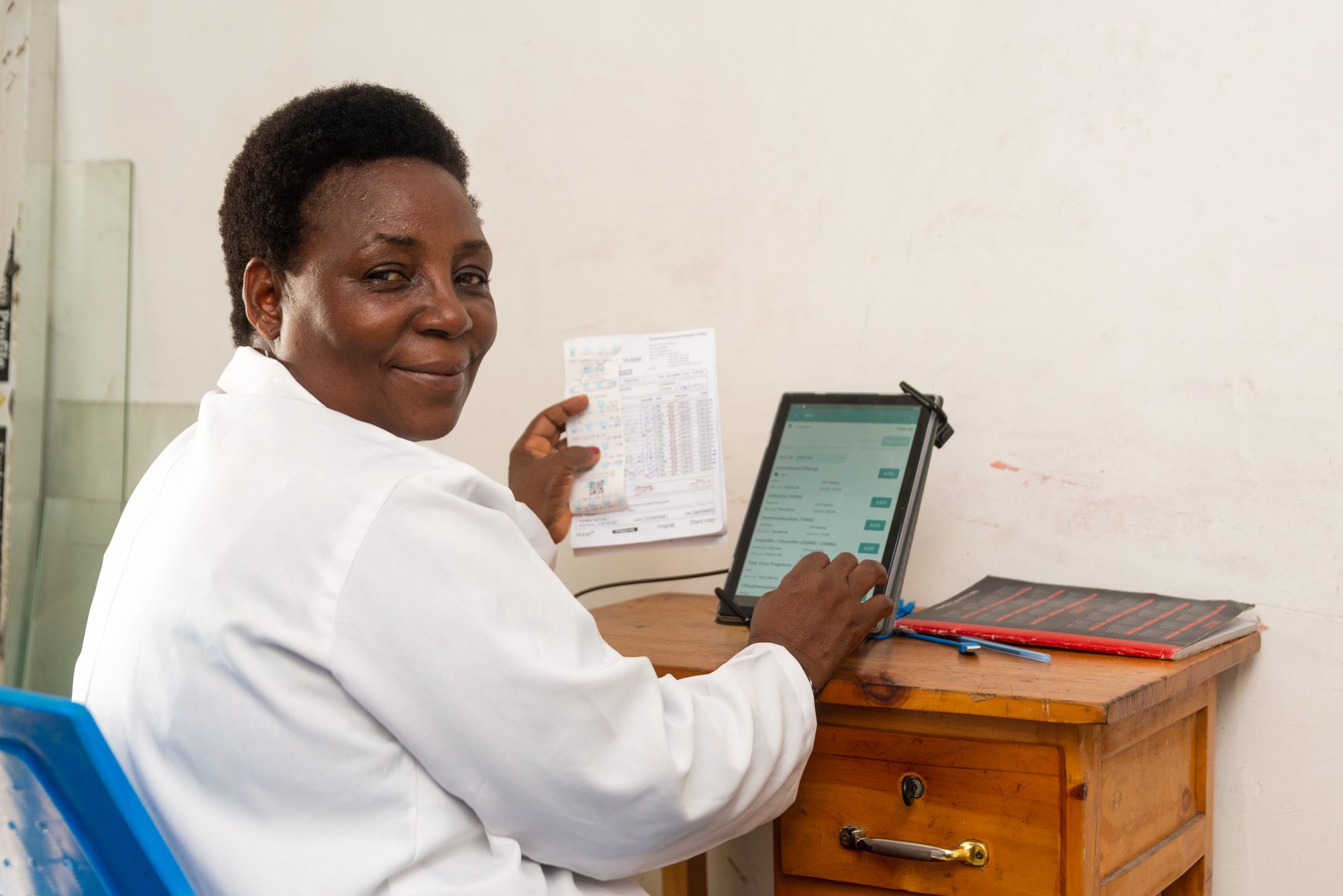
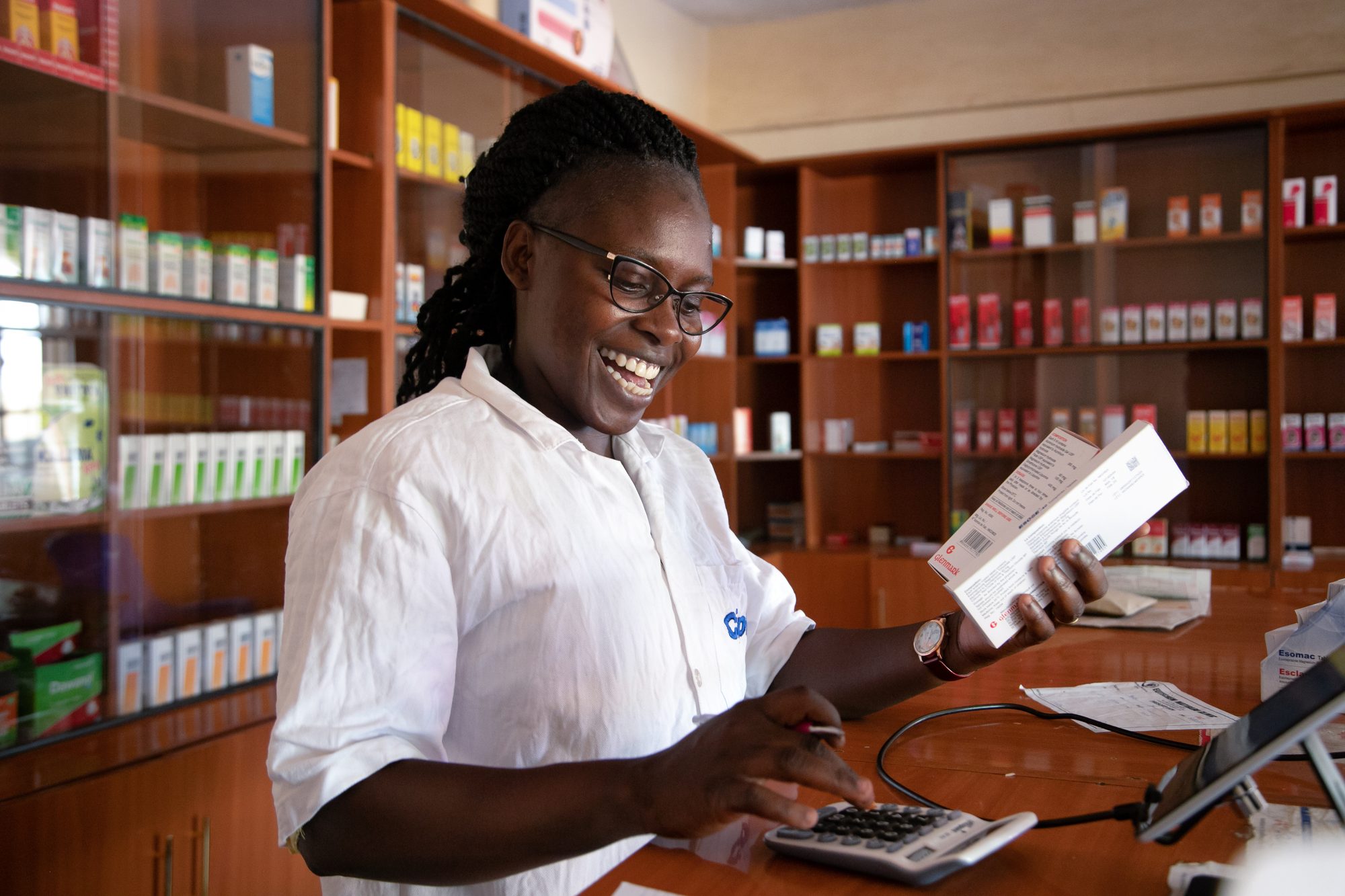
Providers follow shared guidelines and capture each visit in the software they use day-to-day; those records become the claims they submit for reimbursement.
Pay for results, build for sustainability.
Healthy Futures introduces the features of results-based health financing into markets where it doesn't yet exist: shared standards of care, clear per-patient reimbursement rates, and an AI-enabled audit and claims system that any qualified organization can plug into. This approach delivers malaria, HIV, and TB services at a fraction of the cost of prior donor-funded models. Philanthropy plays a catalytic role while driving down costs to levels that countries can finance sustainably.
When we set out to deploy health programs through community pharmacies and drug shops, we had to solve problems no one else had faced at this scale.
In the past, foreign aid wrote upfront checks to implementing partners based on agreed-upon plans. In many cases, those plans created parallel systems that were costly to stand up and lacked a clear path for countries to adopt and finance themselves. In our case, Maisha Meds took on contracts (with donors and governments alike) that were structured differently. Payment came only after a patient was tested and treated per clinical guidelines, and only for claims that could be verified. So we had to create new ways to verify care at the last mile, process thousands of claims a month, and make sure every payment tied back to a confirmed result. That led to us custom-building our own back-end auditing and payment platforms — Madai and Malipo, respectively.
Over the past several years, and increasingly in 2025, we realized these tools hadn't just solved problems for Maisha Meds. They are standalone pieces that other organizations and faith-based networks — most without the means to build their own data and claims system from scratch — could use to get paid for verified results.
The tech, programs, data, and partnerships you see in our annual report are being seen more broadly as building blocks for a new way of delivering and financing care. This includes the evidence we've helped generate with academic institutions, from randomized controlled trials proving the model works to real-world costing data showing it can be done at less than half the cost of historical programs. It also includes our close relationships with governments who are actively investing their own resources and looking for ways to integrate the private and faith-based sectors, which make up a majority of first-contact care.
As our private-sector network increasingly complemented and integrated with the public system, a larger vision started coming into view: one where each part of the healthcare system does what it does best — community pharmacies and drug shops delivering high-volume, everyday care close to home; clinicians in public hospitals and clinics focusing on the cases that need them most; faith-based providers extending reach into the communities they serve; and a range of innovators bringing fresh solutions to the table. In 2025, a growing group of partners began turning that thinking into an initiative called Healthy Futures.
Healthy Futures takes the pharmacy-based model and builds a financing mechanism around it. At its core is a fund that pays for verified care across core areas including malaria, HIV, and TB — being shaped by governments, funders, faith-based networks, digital innovators, and consulting groups.
The idea is straightforward: First, community providers deliver care according to shared standards. That care gets verified through a common tech backbone, which then disburses payments based on predetermined per-patient rates. The fund itself draws from two streams: African governments co-investing from the outset to build country ownership, and philanthropic and other catalytic capital that seeds the work, drives down per-patient costs, and underwrites the monitoring infrastructure that supports it. Over time, the financing shifts toward what countries can sustain on their own. The fund is professionally managed and uses an adapted version of the auditing and claims software we built for our own programs, so any qualified implementer can plug in and deliver care across their own network.
African Governments: Co-investment builds ownership.
Philanthropy, Private, and Other Foreign Capital: Match funding that seeds the work, drive down costs, and support the transition to domestic financing.
A professionally managed fund that disburses against verified outcomes, supported by an adapted version of our auditing and claims technology.
Manage last-mile sites and submit claims for audit.
Provide and document direct patient care.
These discussions launched in 2025 but grew out of years of collaborative work. We're proud to be one of many partners alongside a growing roster of governments, funders, economists, innovators, and other stakeholders. And we're excited to keep building on our own contributions, including how our work in Lagos State has served as a blueprint for transitioning from donor-supported programs to those that are government-financed and led. Healthy Futures is designed to enable that kind of transition at a much larger scale.
Providers follow shared guidelines and capture each visit in the software they use day-to-day; those records become the claims they submit for reimbursement.
As we continue to co-design Healthy Futures in 2026, we're doing so with a clear consensus that the building blocks are already in place: proven interventions for patient care, best-in-class technology that works at scale, deepening government partnerships, and a community of innovators who share our vision that anyone should be able to walk into their local pharmacy or clinic and get high-quality, affordable care.