
Government Relations
We work with governments across the region to make private pharmacies a visible, trusted part of the broader health system.

Every program in this report rests on partnerships with national and local governments, who define health priorities and steer policy direction. In practice, that partnership takes many forms: co-designing programs with health officials under formal MOUs, embedding expert staff within Ministries of Health through our secondee program, and providing technical assistance for governments to effectively integrate the private sector into the broader health system. This way, our work complements what public health systems are trying to achieve.
A few moments stood out among many:
- UgandaWhen the Government of Uganda selected us for our first Global Fund award, to scale malaria care and HIV prevention nationwide through private pharmacies, drug shops, and clinics.
- NigeriaWhen Lagos State wrote the Pathway Program directly into its own budget, informing a parallel legislative push at the national level to establish results-based financing for AIDS, tuberculosis, and malaria that incorporates the private sector as an essential partner.
- KenyaWhen we worked with Kenya's Ministry of Health and NASCOP to restore their system for distributing HIV medications to community pharmacies, laying the groundwork to expand pharmacy pickup into other counties.
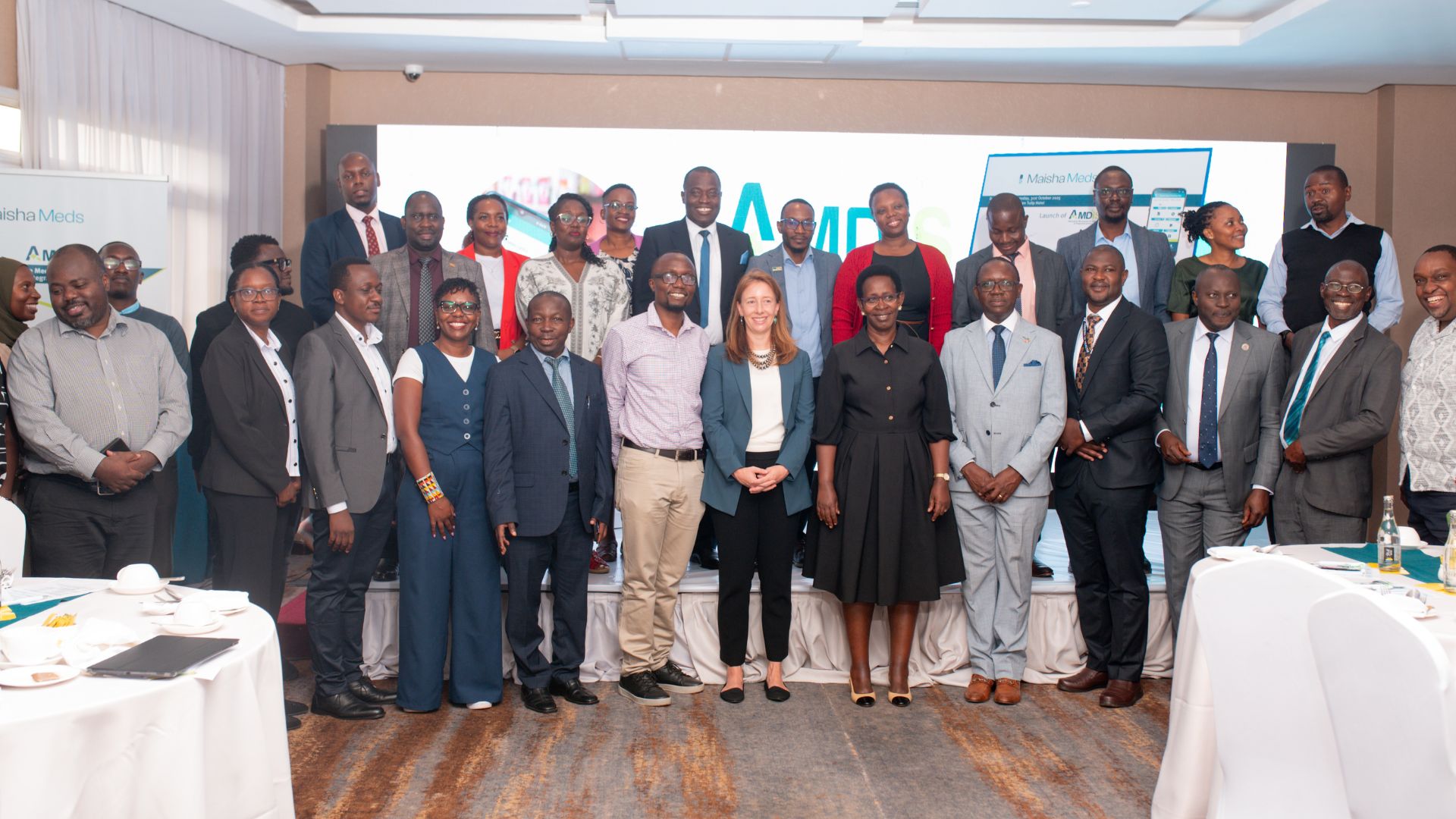
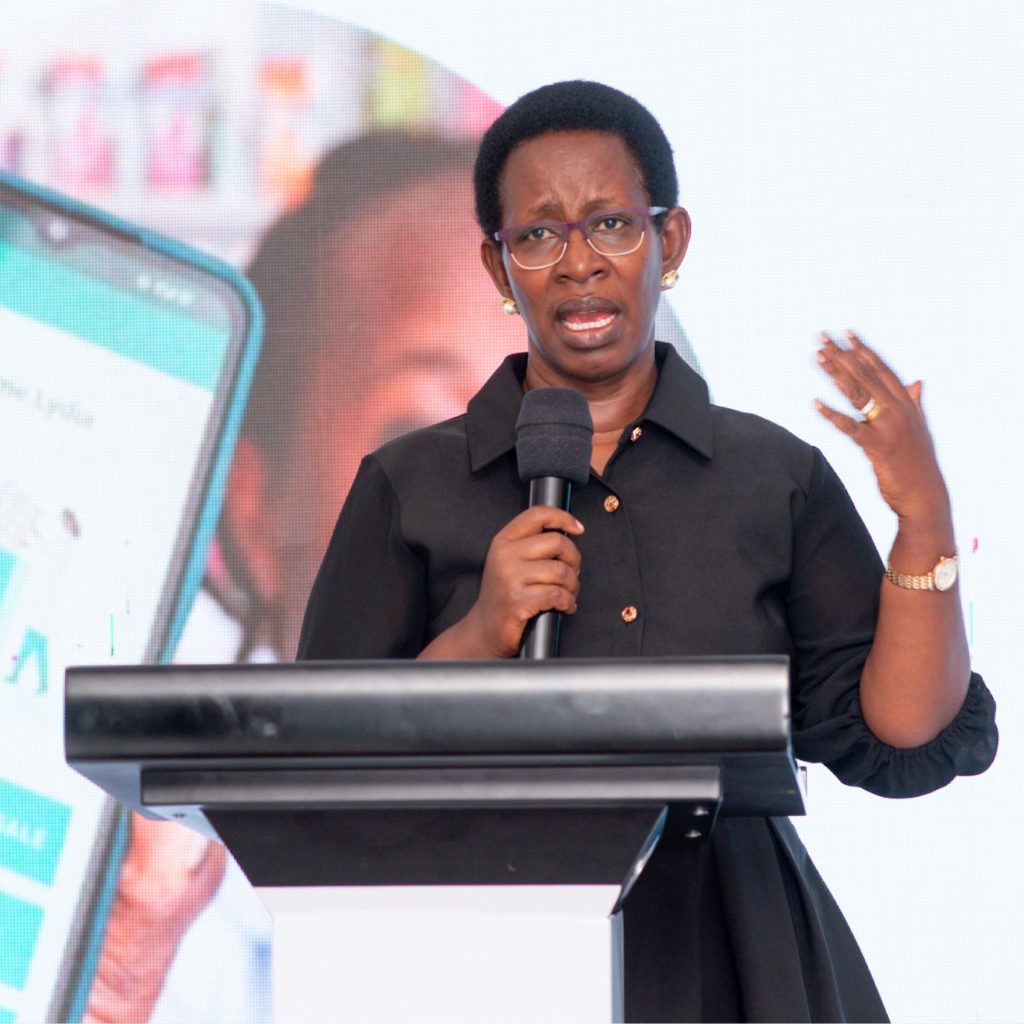
“This innovation strengthens community-level access to quality-assured medicines and diagnostics, ensuring that even those outside public facilities can receive timely, affordable, and reliable care.”
“This innovation strengthens community-level access to quality-assured medicines and diagnostics, ensuring that even those outside public facilities can receive timely, affordable, and reliable care.”
All of this reflects a longer-term effort we call "domestic resource mobilization": a strategy to transition siloed, donor-funded programs into sustainable, country-led systems. This can be achieved in a number of ways — through government budgets, insurance schemes, private capital — and can be designed in a way that enables any organization doing effective work, not just Maisha Meds. To us, success is when governments choose to invest in these programs themselves because the evidence is compelling and the costs are sustainable.
DRM in Practice
Budgetary allocations
Governments choosing to allocate resources to high-impact, cost-effective health programs in their budgets. In some cases, this means first generating revenues to do so, including through targeted levies or loan mechanisms like the World Bank's.
Healthcare efficiency spending
Maximizing funding that's already committed by leveraging existing infrastructure (e.g., pharmacies, clinics, supply chains) rather than building parallel systems.
Social health insurance
Linking programs to health insurance schemes to broaden coverage and promote continuity of care.
Donor funding as catalyst
Making strategic use of donor funding as a starting point to seed and prove what works, with a path to domestic financing as the long-term answer.
Private-sector investment
Unlocking commercial finance for community providers, such as low-interest loans that help small businesses grow without permanent reliance on outside funding.