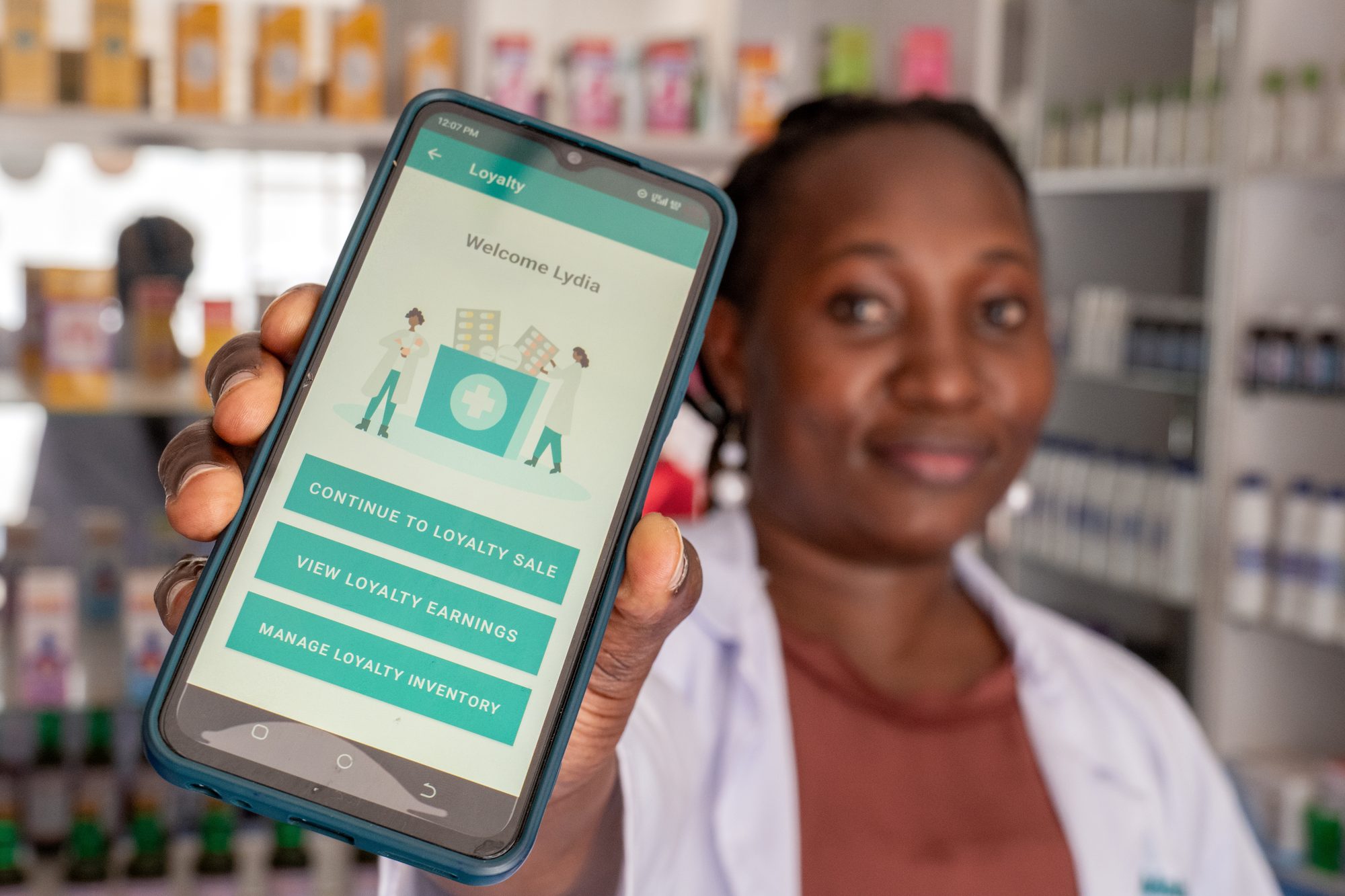
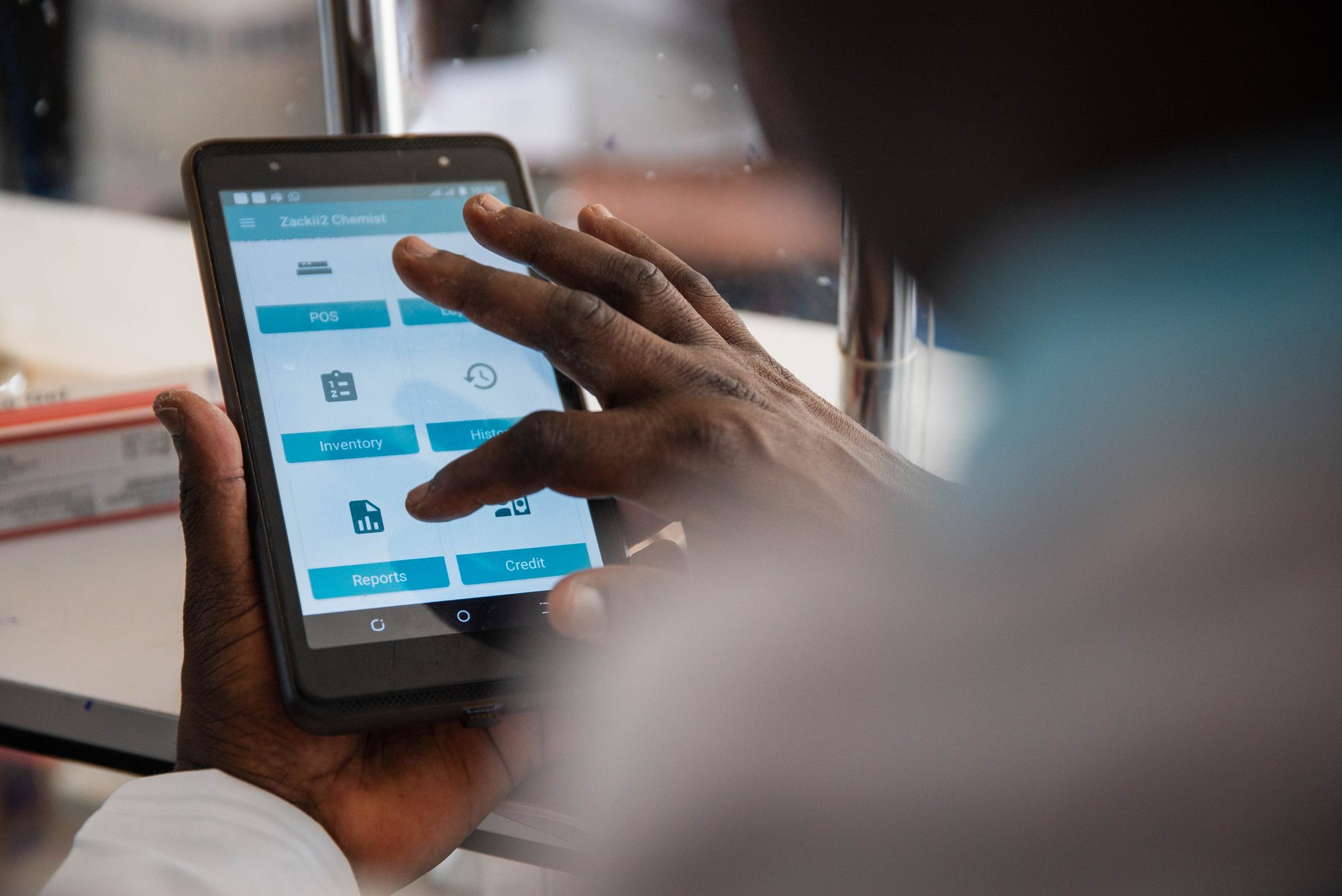
Maisha Meds built its reputation by bringing the latest tech into settings that have often been the last to receive it. AI is the next chapter of that work.
While foundational models have advanced so much in just a few years, bridging the implementation gap relies on everything else: the design choices, data pipelines, workflows, hardware constraints, connectivity assumptions, and user trust. Fortunately, the “everything else” is our specialty.
For years, our partnership with Audere has applied computer vision to verify malaria and HIV test results from within our Madai auditing platform. More recently, we've used character recognition to identify product packaging for stock entry, and we're now testing LLM-enabled tools to help providers elicit clinical details from their patients to support care decisions. Our aim is to evaluate the feasibility, adoption, effectiveness, safety, and impact of these tools on everyday provider workflows and patient care.
A number of principles guide this work, including:
- 01AI should support providers, not replace their judgment.
- 02We design user-driven tools with patient care as our north star.
- 03We experiment, learn, and scale thoughtfully the same way we do across our other programs.
- 04We contribute to the evidence base, especially where little evidence currently exists.
- 05Safety, patient privacy, and human oversight underpin every tool we develop.
This work is possible thanks to funders including the Patrick J. McGovern Foundation, and we look forward to joining The Agency Fund's 2026 cohort to take it further. Ultimately, Africa's community pharmacies and the people they serve should not be the last to benefit from cutting-edge innovation — and in fact, they can help shape it.