
New Programs
Maisha Meds was designed to be adaptable across health areas. Our point-of-sale software can accommodate virtually any product sold in a community pharmacy. Our supply chains can move various kinds of products for our patient programs. And our backend systems can track and audit every claim and patient interaction — whether the product is a malaria treatment, an HIV pill, or a pair of reading glasses.
When we look at new challenges to take on, they typically fall into one of two categories: The first is where the private sector is already trying to meet demand. That's how we got into malaria, and it also led to our second randomized controlled trial, which focused on family planning. The second category is where the private sector has had little role yet, but where there's real room to build one, like our vision and HIV programs.
Long-acting contraceptive uptake
Women were nearly six times more likely to choose long-acting contraceptives in our program, often shifting away from short-acting emergency contraceptives, according to a trial conducted alongside researchers from Emory University and UC Berkeley.
This brings us to our next challenge: tuberculosis. One of the biggest challenges with TB care is detecting it in the first place. TB testing has traditionally been costly and concentrated in public health facilities, which may be far from where most people first show up with a persistent cough. As a result, a major share of cases go undiagnosed, people end up getting over-the-counter symptom relief or antibiotics that don't help, and the disease is allowed to progress and spread. But now, a new generation of portable, low-cost diagnostics makes it possible to conduct these tests within a community pharmacy. These tests are small enough to fit on a counter, fast enough to deliver results in a single patient visit, and affordable enough to scale.
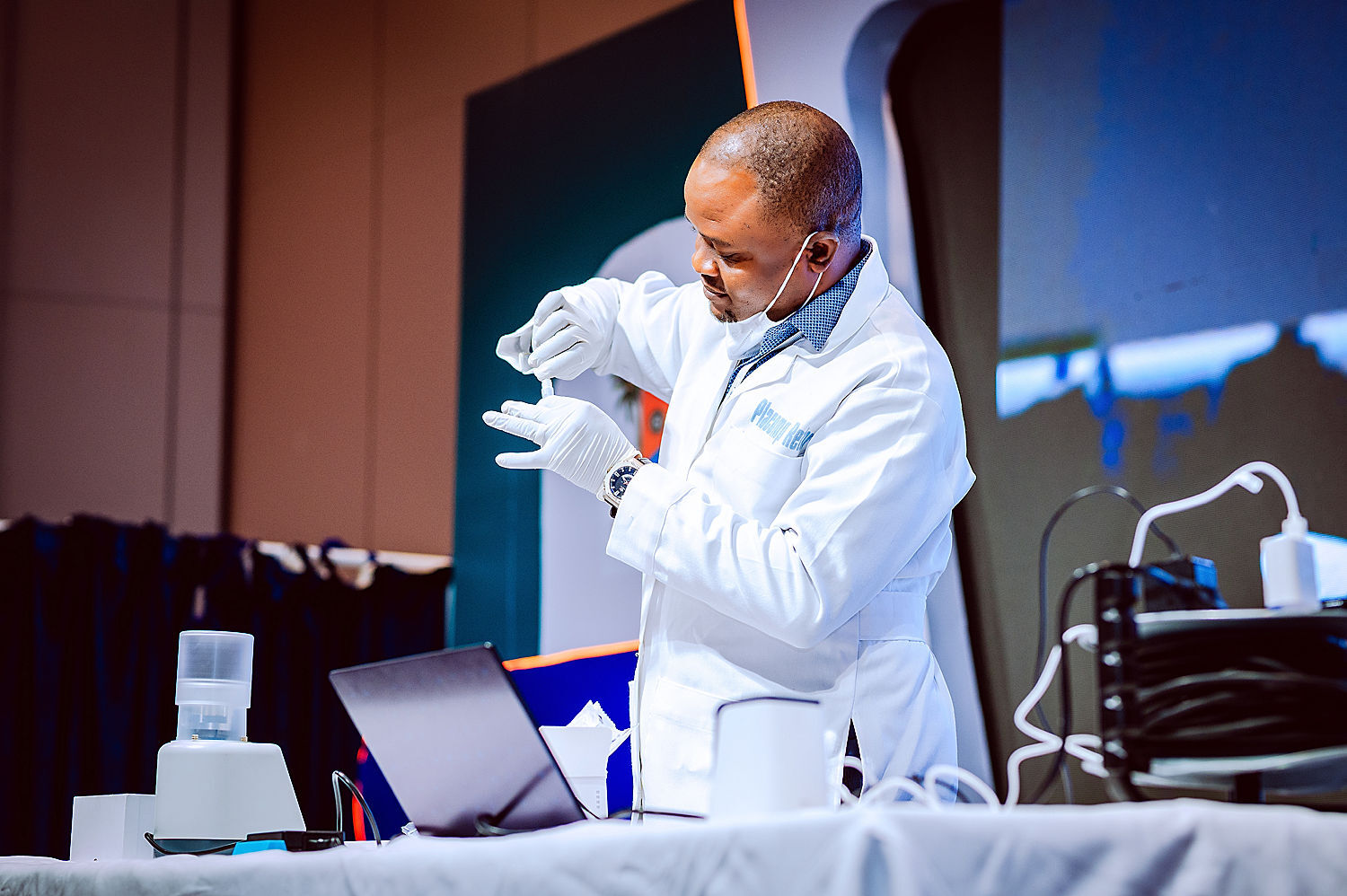
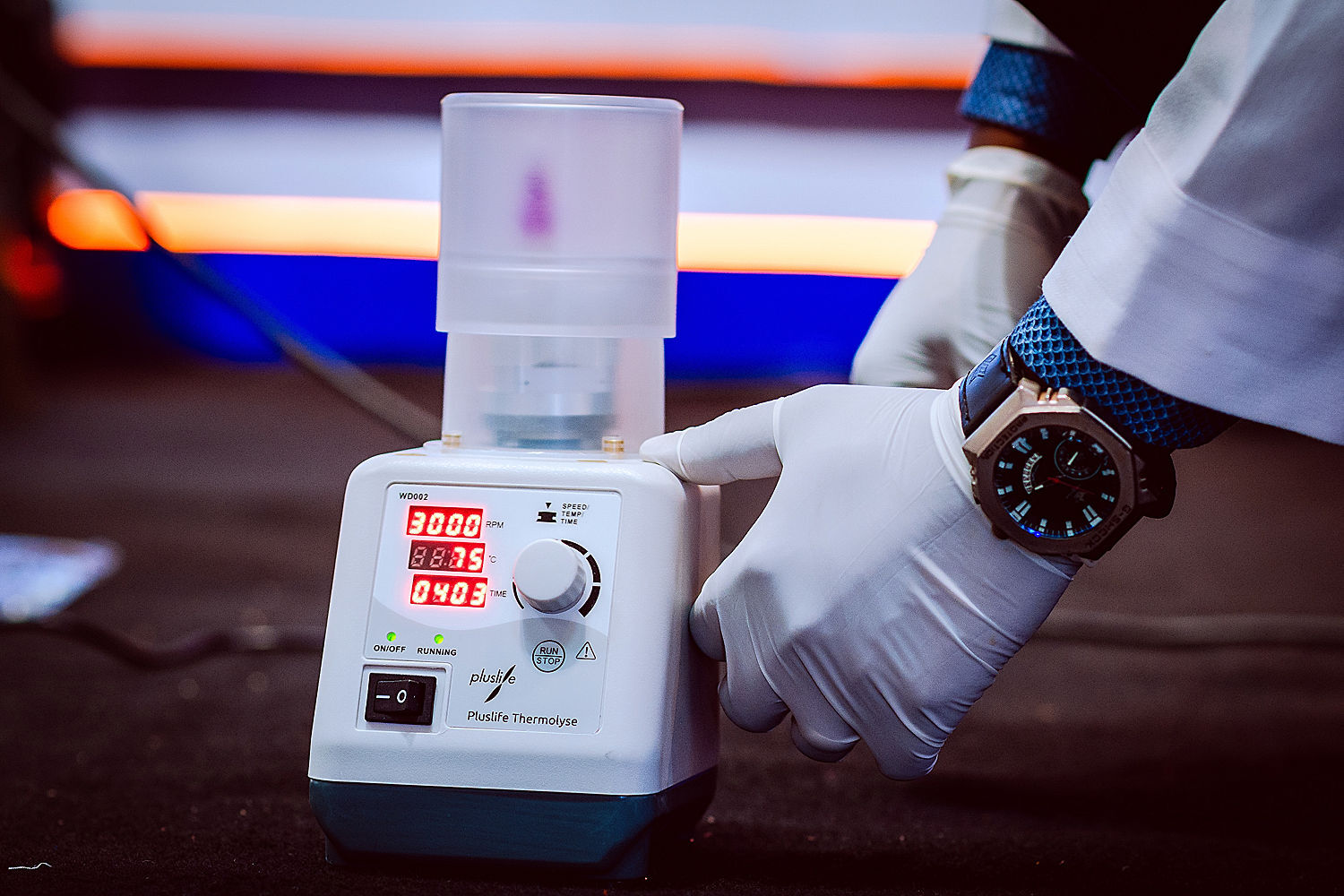
In 2025, we secured our first dedicated TB funding from the Gates Foundation, which set us up to launch our first pilot in 2026 in close partnership with Lagos State and Nigeria's national TB program. By bringing diagnosis into the private sector, we aim to detect TB cases that might otherwise go undiagnosed, link patients to public facilities to start treatment, and generate a new stream of real-time TB prevalence and positivity data in priority regions.
There's a lot of room to build on this. The same program for pharmacy-based TB diagnostics can be deployed and financed across more countries, and the same testing platform can detect more than TB, including some sexually transmitted infections. Each is a step toward integrated service delivery rather than disease-by-disease infrastructure.

“By decentralizing precise TB diagnostics into communities, particularly in high-burden areas, we will leverage existing digital infrastructure, referral pathways, and integrated financing mechanisms to identify missed cases and link patients seamlessly to care.”