
A Patient's Journey
From guesswork to diagnosis: when a child's fever spikes.
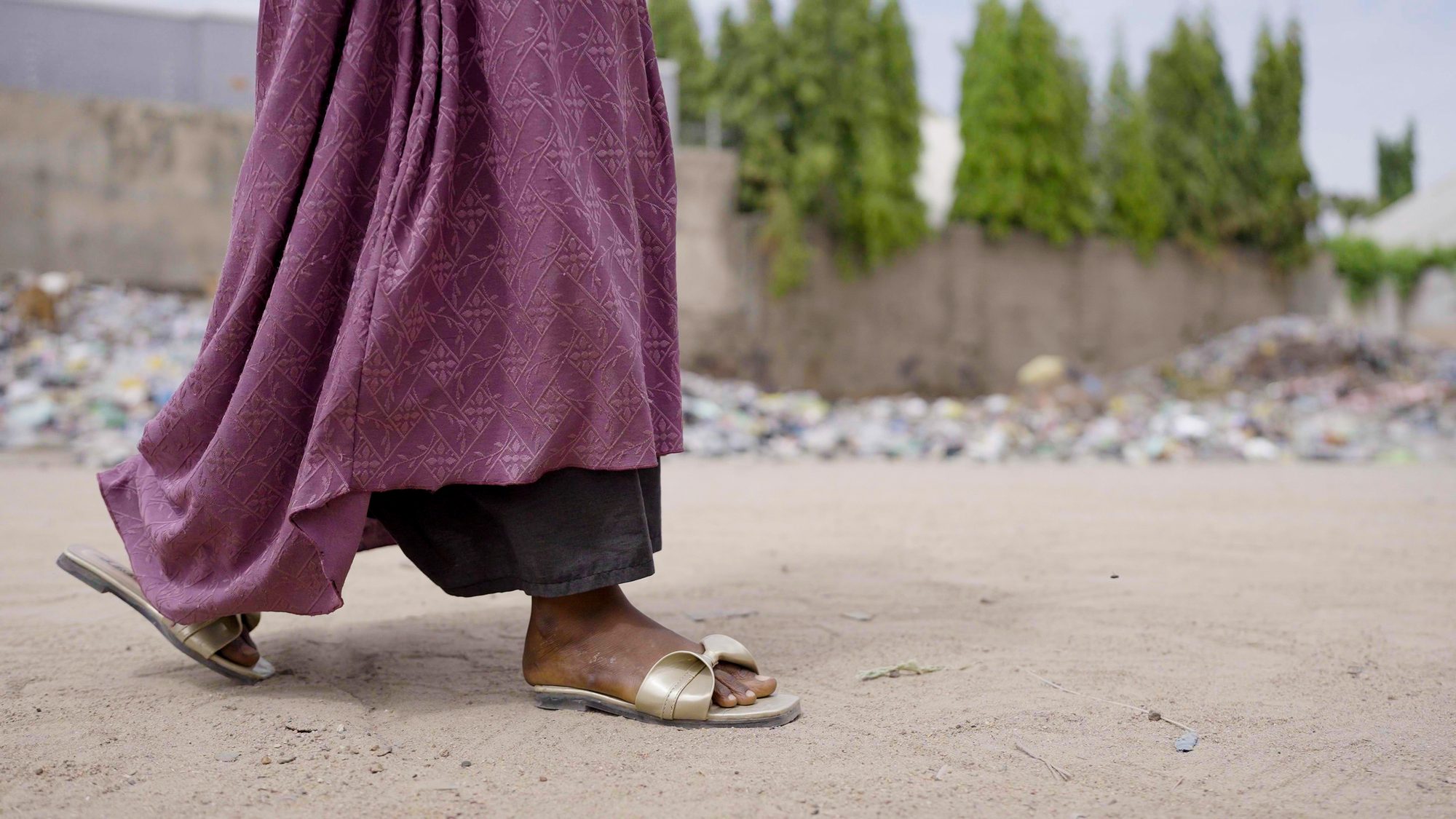
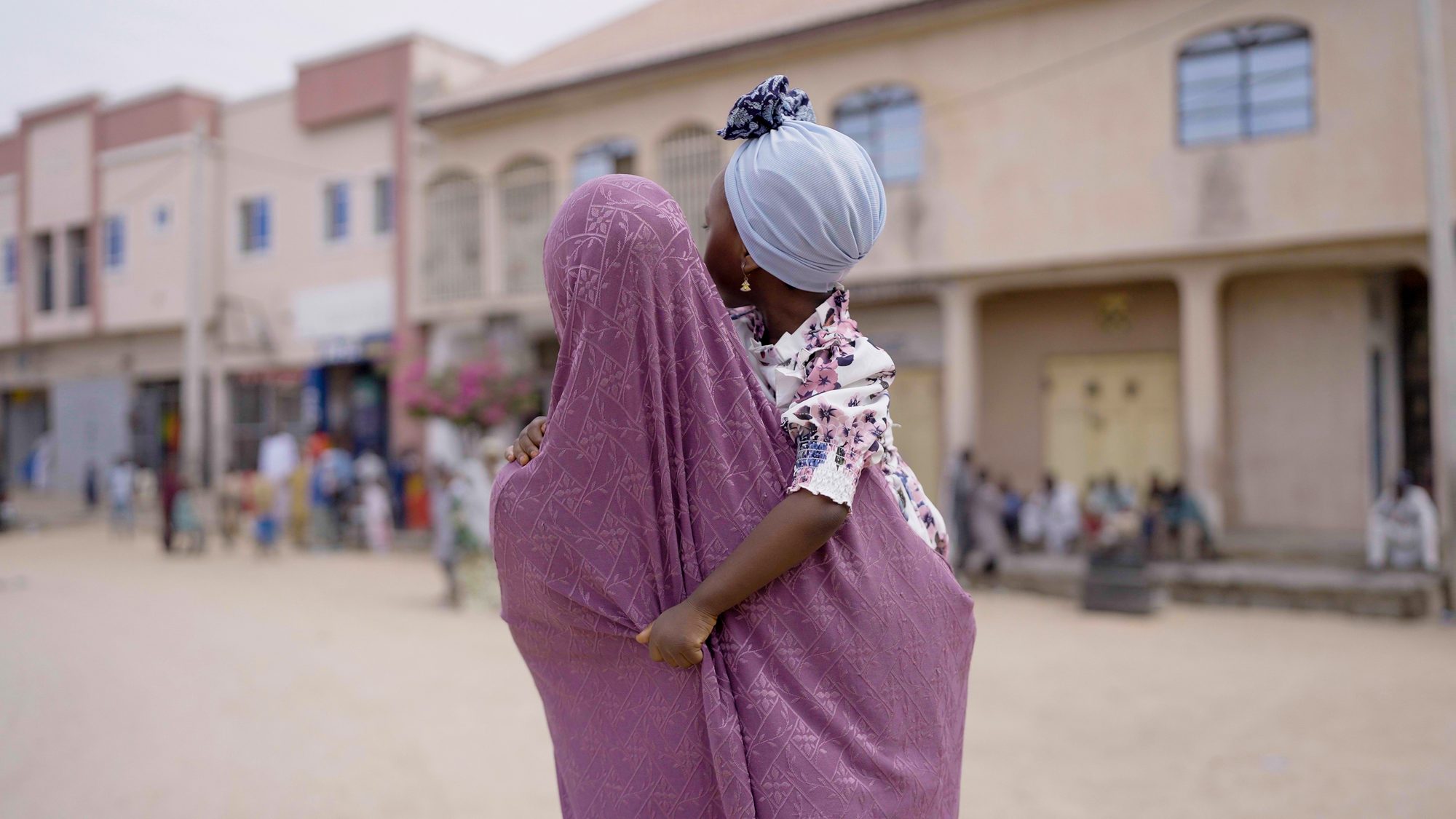
In eastern Uganda, Amina walks into her local drug shop.
She is carrying her three-year-old child, who is burning with fever. She has 5,000 shillings in her pocket—just under a dollar fifty. Here, malaria is common and often assumed to be the cause. Plus, testing would cost extra. So she makes the only rational choice she can: she buys the cheapest antimalarials on the shelf.
Behind the counter, Gerald has served this community for years. To keep prices low for families like Amina's and keep his doors open, he buys the lowest-cost medicines from wholesalers. What he doesn't realize is that some of those drugs are poor quality—or even counterfeit.
Two days later, the child's fever spikes. Was the medicine no good? Or was it never malaria at all—a bacterial infection left untreated while the wrong drug ran its course? Unless Amina makes it to a public hospital in time, no one may ever know. Her child's case won't appear in official health data. It may be absorbed into the broad estimates of malaria burden that the world has quietly accepted as normal.