
Problem Statement
Our vision is that anyone can enter their local pharmacy and get high-quality, affordable care.
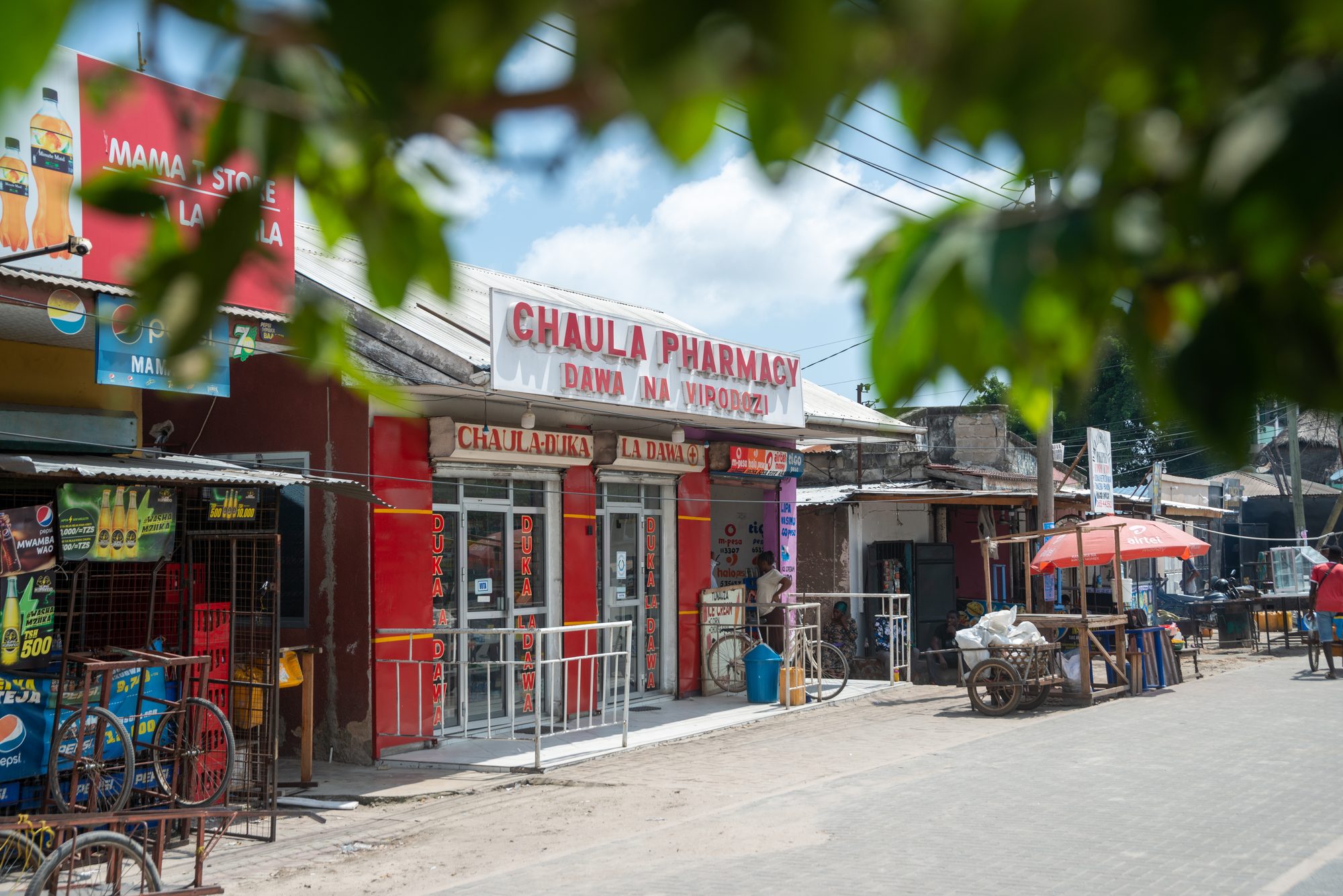
Across sub-Saharan Africa, when someone wakes up with a fever or needs medication, they usually don't start at a large public hospital. They walk to the drug shop or pharmacy down the street. These community providers are trusted, convenient, and already delivering a huge share of care.
But for years, global health built costly, parallel systems that overlooked them, even as people continued to rely on them every day. This is true across all income levels, in cities and rural areas alike. The private sector often fills gaps where public services fall short.
As a result, we left a massive amount of existing health infrastructure on the sidelines:
- thousands of brick-and-mortar pharmacies and clinics
- local health workers already delivering services at scale
- resilient supply chains that keep essential products flowing
- organic consumer demand for these services
Why not work with the private sector to expand access to care while lowering costs—and create a real path to country ownership in the process? The health infrastructure has been there all along. What was missing was the technology and financing to activate it.
- Fragmented network, largely offline
- Variable cost & quality of care
- Excluded from public health programs
- Pay out of pocket
- Quality care often unaffordable
- Delayed or inappropriate treatment
- Limited visibility & oversight
- High-cost legacy models
- No clear path to sustainability