
Malaria
Background
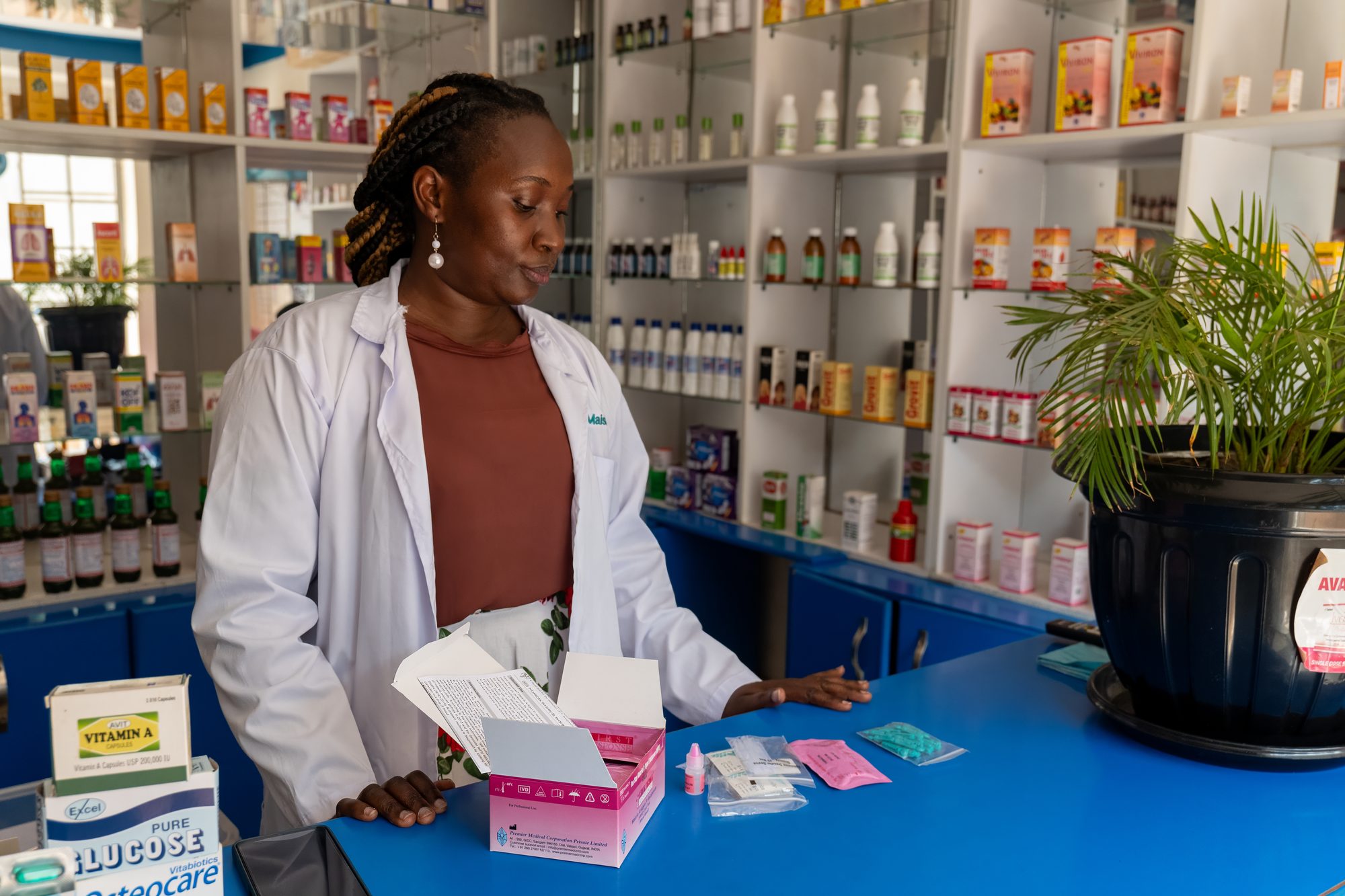
Across Africa, when someone gets a fever and suspects malaria, they typically go to their local pharmacy or drug shop. But in the private sector, care is largely out-of-pocket, and cost shapes every decision. Patients overwhelmingly skip the added cost of testing and buy a low-cost malaria drug over the counter — with no guarantee that the drug is high quality, or that malaria is what is making them sick in the first place. In some cases, this delays treatment for the real cause of their illness.
For decades, global malaria funding largely ignored these frontlines. While resources flowed overwhelmingly into public health systems, the private sector was dispensing a majority of antimalarials while receiving only about 2% of global donor spending. Many of these outlets are small, family-run businesses that have remained largely invisible in the data, even as they serve patients every day. In 2025, new guidance from the World Health Organization, citing Maisha Meds data, emphasized that the private sector's role in malaria care is larger than previously estimated, and too central to be treated as an afterthought.
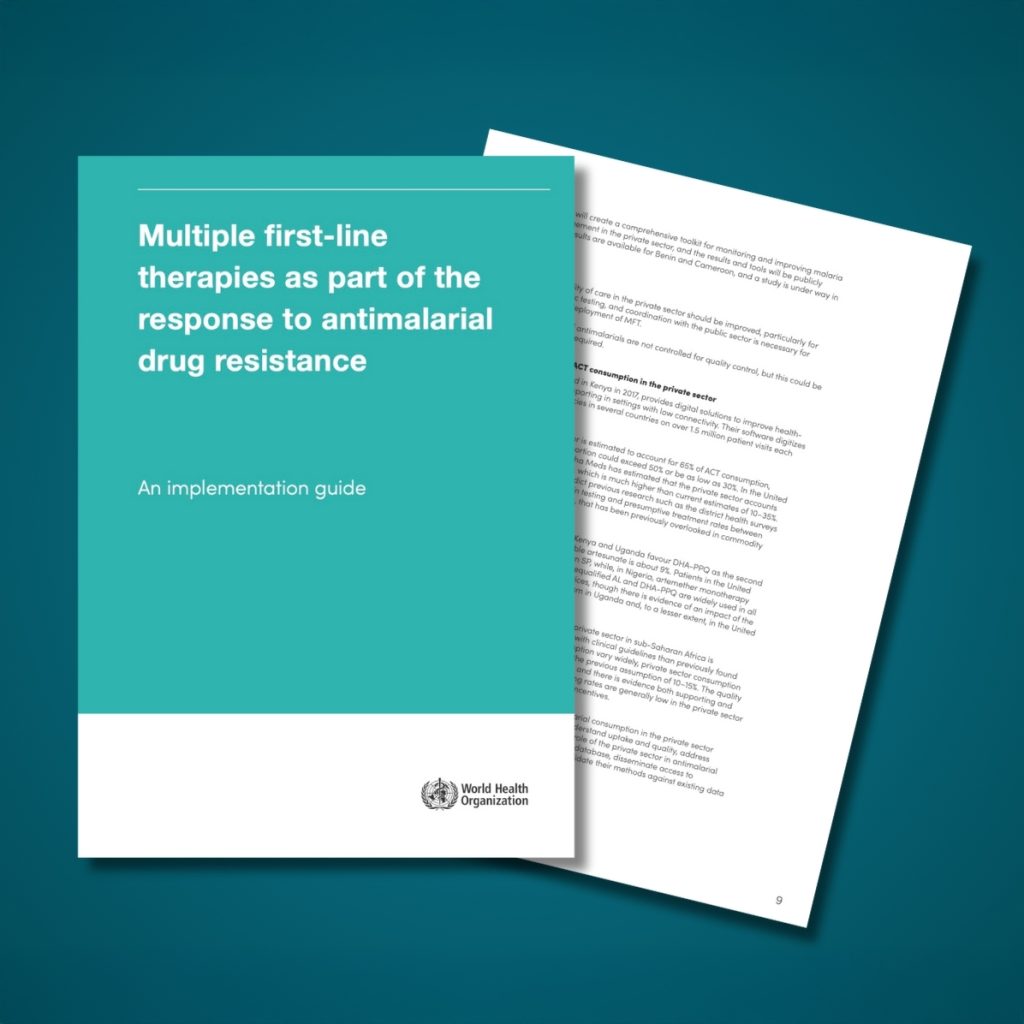
“The private sector in sub-Saharan Africa is significantly larger and less consistent with clinical guidelines than previously found by modelling.”
Now the stakes are higher. Drug resistance is emerging as a serious threat to our most effective antimalarials, with growing evidence of its spread across East Africa. The private sector, where so much treatment already happens, sits largely outside the surveillance systems that would track it. That's not just a gap in the data; it's a gap in our ability to act. Closing that gap requires a model that can harness thousands of local, independent providers as part of the solution. That's exactly what Maisha Meds was built to do.
Our Impact
Our malaria program was built on the premise that a tech-driven, pay-for-performance reimbursement model could deliver better malaria care through the private sector at a fraction of the cost.
When we ran our first randomized controlled trial with UC Berkeley, we found out we were right. Testing rates more than quadrupled, and patients who tested negative were far less likely to walk out with drugs they didn't need — a 14-percentage-point drop in overall antimalarial use. We had hard proof the model worked, and we also knew it could be pushed further.
Today, we test and treat malaria for as low as $3.20 per patient, and expect to break below $3 as we scale. That's far lower than the $8 to $12 historically cited by donor-funded programs, costs that often doubled once administrative overhead gets factored in. Through subsequent analyses of cost per health impact delivered, our model was found to be among the most cost-effective interventions in global health.
Testing among patients seeking malaria care
Over 4× increase in testing & quality-assured treatment, with a 14-point drop in ACT use as patients testing negative avoided unnecessary drugs.
Among global health's most cost-effective interventions.
Including management of malaria-negative fevers.
High impact per dollar compared to standard cash transfers.
What's Next
For us, the measure of a model isn't just whether it works — it's whether governments trust it enough to make it their own.
Lagos State adopted our malaria program into its own government budget — a first in Nigeria. The Pathway Project reached over 75,000 fever patients through more than 500 private pharmacies and drug shops (known as PPMVs), resulting in Lagos qualifying as a malaria elimination zone. What began as a pilot, catalyzed by a World Bank loan, has now been written into the Lagos State government's own budget.

“When a government chooses to invest its own resources into a program like this, it means we've built something that works, something that's sustainable, something we can continue to build on.”
Uganda's Ministry of Health and the Global Fund selected Maisha to scale pharmacy-based malaria care across Uganda. At the end of 2025, Maisha Meds was selected over more than 20 other organizations to scale our malaria and HIV prevention programs nationwide. This initiative, called AMDIS (Alternative Mechanisms for Delivery of Integrated Services), aims to reach half a million people with our evidence-backed test-and-treat approach, treating more than 200,000 positive cases at a fraction of historical donor-funded program costs.
We're now tackling the next challenge: drug resistance. We're piloting a new strategy to rotate first-line antimalarial drugs in resistance-prone regions. This strategy, known as multiple first-line therapies (MFT), is the focus of the aforementioned WHO guidance, but has never been tested at scale in private-sector settings. In late 2025, Maisha Meds launched the first real-world A/B testing of MFT in community pharmacies, thanks to a donation of approximately 68,000 doses from Fosun Pharma. Our ongoing findings on treatment uptake, pricing strategies, and provider prescribing behavior will generate the real-world evidence needed to guide national malaria programs and inform future policies on sustainable financing and antimalarial resistance.
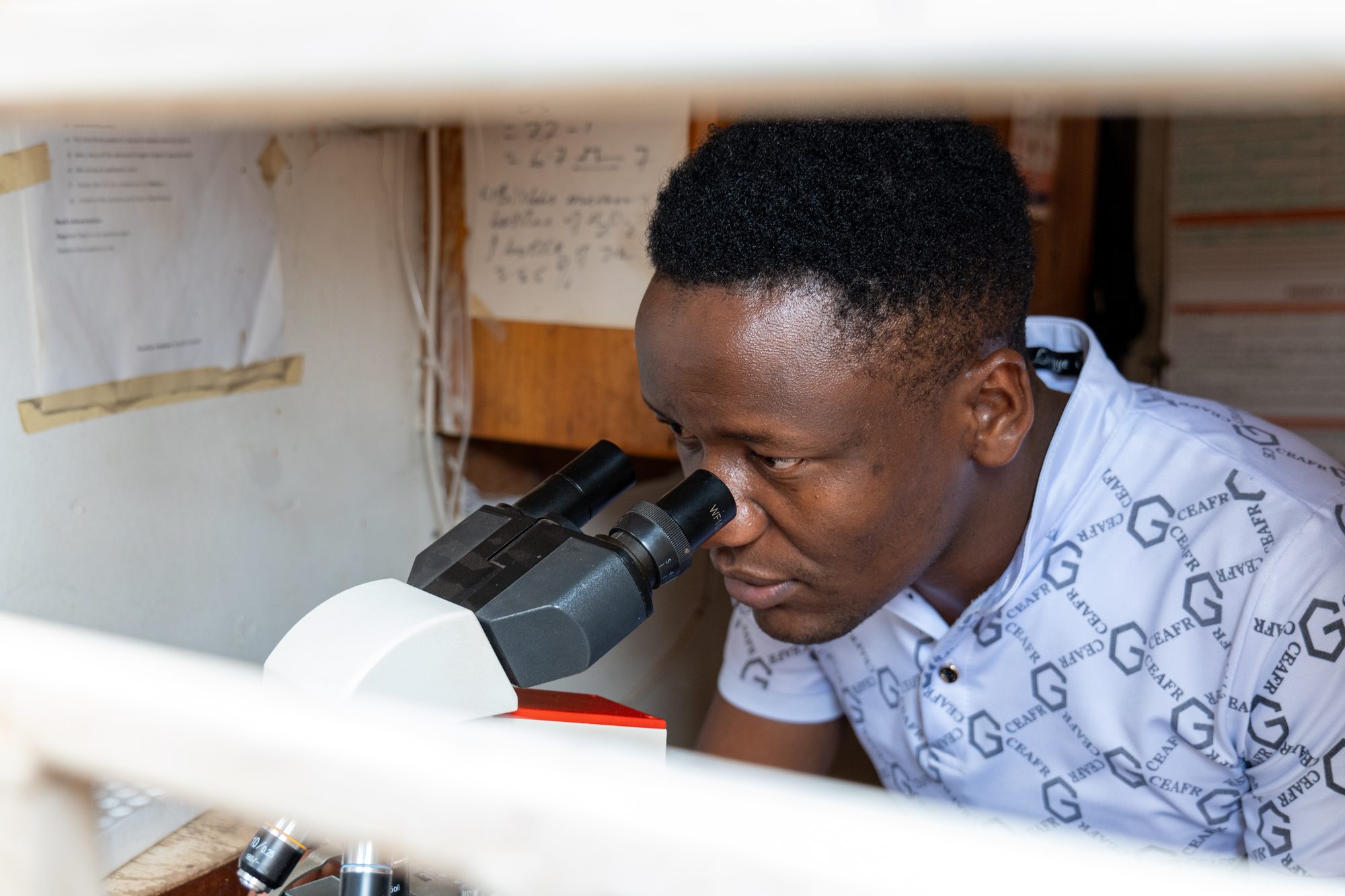
When the numbers don't add up: how Lagos State revealed the true scale of malaria
Summary
For years, public health centers in Lagos reported high malaria rates that didn’t reflect the reality. Then, our partnership introduced AI-verified rapid testing in private pharmacies, whose results showed far lower prevalence. When the state investigated and began strengthening its own practices, those rates plummeted, too. This public-private partnership—powered by technology and real-time data—is now reshaping malaria policy, reducing mistreatment, cutting costs, and strengthening the broader health system.
A mystery in the numbers
Something was puzzling health officials in Lagos State.
Rigorous household surveys consistently showed malaria prevalence around 3%—far below the 20–40% seen in higher-burden Nigerian states. Yet in public health facilities across Lagos, sometimes up to 80% of patients were testing positive for malaria, primarily through microscopy. State and national health officials struggled to understand why it was so much higher than expected.
The answer turned out to be hiding in plain sight—or rather, on microscope slides.
The limits of microscopy
Microscopy has long been considered the gold standard for malaria diagnosis. A technician examines a blood sample under a microscope, looking for ring-shaped parasites. It’s detailed work that requires skill and experience. But it’s difficult to validate and vulnerable to errors that cause misdiagnosis.
When malaria is rare, microscopists see few actual positive slides, and there’s pressure not to miss a real case and send a malaria patient home untreated. But there are many “artifacts” that can be mistaken for the parasite: platelets that clump together, staining dye particles, and microbes contaminating the clinic. Without realizing it, microscopists were seeing malaria where there wasn’t any.
A new AI approach to RDTs
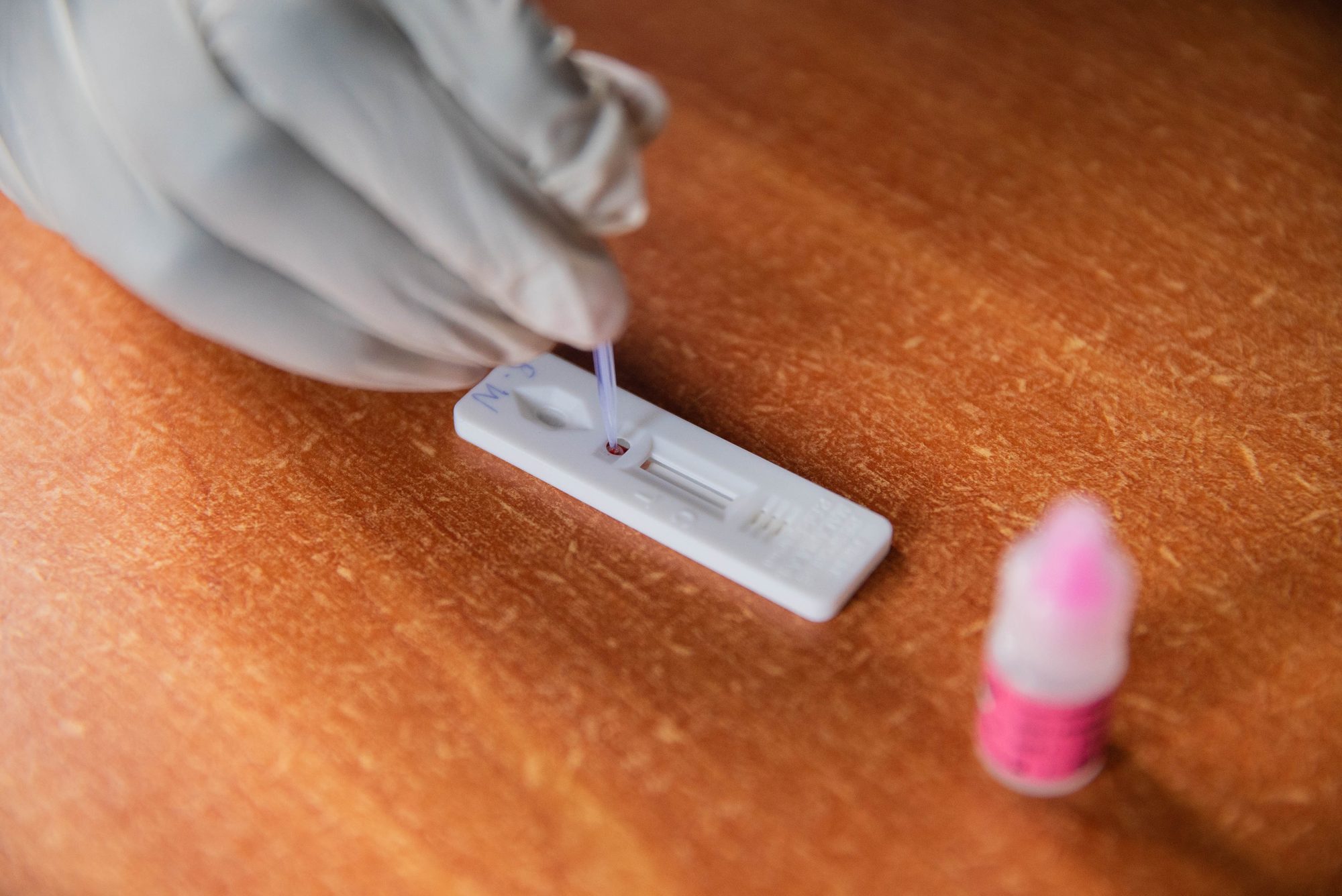
Working with Lagos State, Maisha Meds helped launch a government-funded program in March 2025 that reimburses private pharmacies for using rapid diagnostic tests (RDTs) to diagnose and treat malaria—with every test result validated by AI image analysis. Unlike microscopy, RDTs work by detecting proteins from malaria parasites in a drop of blood, producing results in about 15 minutes with around 98% sensitivity and specificity.
To get reimbursed, pharmacies photograph each test using the Maisha Meds app—which they already use to run their day-to-day business, including inventory and sales. On our backend, a custom AI analyzes every image in order to verify results and monitor compliance with treatment protocols. Simultaneously, we generate real-time surveillance data on test-positivity across our private pharmacy network.
When our program analyzed actual test results across Lagos using this AI-powered RDT approach, we found the true positivity rate was indeed extremely low—around 5%—confirming that microscopy alone had led to countless patients being misdiagnosed and mistreated.
One health official in Lagos told us that, after learning about this, a state microscopist realized they’d been diagnosing patients incorrectly for years. This was the feedback they needed to recalibrate.
Turning data into better care
The data didn’t just validate the Maisha Meds’ private sector program. The test positivity across public health facilities in Lagos dropped from up to 80% in 2024 to roughly 6% in the most recent quarter, through a combination of more RDT use and better microscopy.
That means more patients are now receiving appropriate diagnoses and quality-assured treatment faster. Patients who don’t have malaria aren’t being given unnecessary drugs, potentially delaying care for other causes of illness. And the health system benefits from cost savings that come from not dispensing unnecessary medicines, for example.
Better data, better health systems
This evidence is critical because malaria control isn’t one-size-fits-all. As Lagos State moved toward malaria pre-elimination, it required a different set of interventions than Nigeria’s high-burden areas to prevent resurgence. Our data provided the evidence the state needed to translate clear insights into lasting policy change, including:
- A dedicated budget line for the program for the following year, so the state can continue generating actionable data via private pharmacies, while reducing costs through more cost-effective care and procurement based on actual need
- Policy changes that replace microscopy with RDTs at the primary healthcare level, limiting microscopy to highly skilled centers
Lagos State is showing how technology can turn real-world data into immediate action through strong public-private partnership. And the model highlights a larger opportunity for thousands of community pharmacies that already serve a majority of people across Africa but operate outside formal health systems. With the right infrastructure, Maisha Meds is helping integrate these providers into the broader health system—functioning as both a real-time disease monitoring tool and as a proven channel for delivering high-quality, cost-effective health services.